
Chivalware comes to us from Neophyte. A roguelike that takes cues from Megaman Battle Network to deliver an experience that seamlessly combines the strategy of deckbuilders with the gameplay of an action roguelike
Gameplay
Chivalware borrows heavily from Megaman Battle Network in its combat. You position yourself, attack, and predict your enemy's moves on a grid-based stage. But it sets itself apart from that title and similar games with a colored tile system where you have to clear 3 or more to equip and charge your weapons.
Each one requires a different amount of energy to use, in addition to having key differences such as their area of damage, distinct attack patterns, ammunition, damage type, etc. Throughout the game, you'll be able to swap out your weapons and install chips that upgrade and specialize your character. This is the typical artifact factor that brings replayability to this genre.
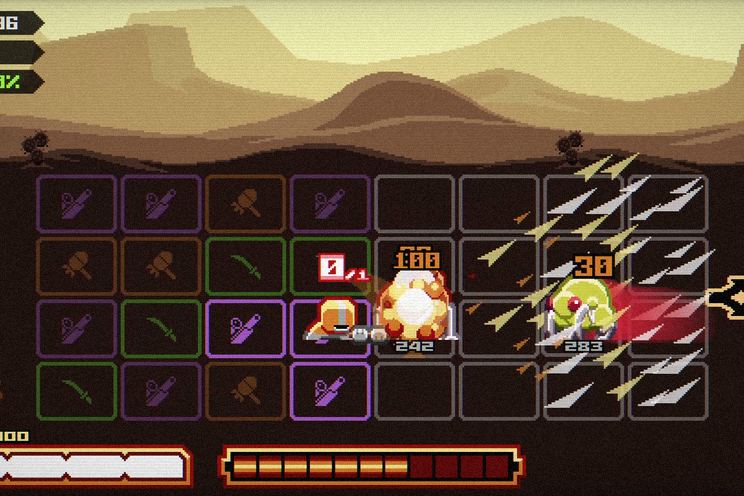
The game features 5 characters—3 of which I was able to test—that play differently, providing a distinct and interesting experience in every run. On the other hand, winning one unlocks new difficulty levels that not only make enemies stronger, but also modify the game with debuffs that stack with each completed area. The game features 5 of these, 2 of which we were able to test.
It's the combat and the excellent fusion of real-time combat with the strategy that can only be achieved through the grid system and your loadout preparation that makes this game so special.
My only criticism is the score-based progression, which I find to be an outdated system that forces the player to grind through multiple runs (whether victorious or not) just to unlock items and characters.
4/5.
Story
Chivalware's story is simple, yet effective. It is a digital kingdom where the king has gone mad, and the Disknights must defeat him to bring an end to his tyranny. The game hints that something else is going on through glitches that occur throughout the playthrough, but in the end, the story serves as an excuse for the action.
It features details like artifacts being chips and weapons being floppy disks, adding to the feel of this world's virtual nature.
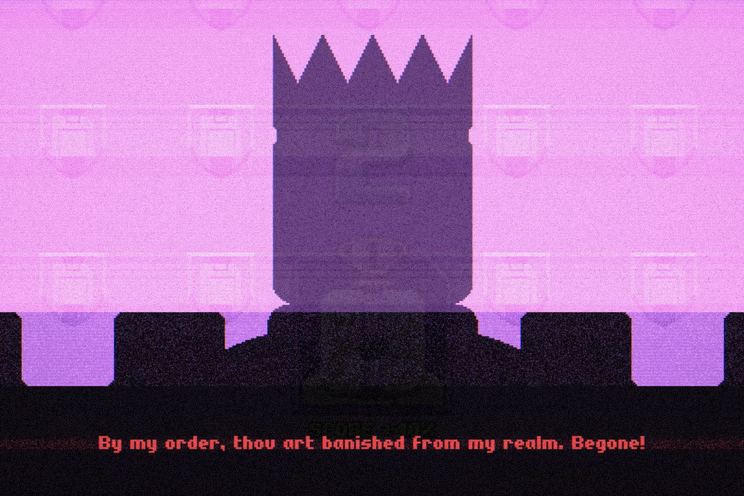
Still, I have to say I like what they do with the king, who appears at the beginning and end of each run, threatening you and dropping brief lines that reveal story details. It gives him an ongoing presence throughout the game that is very interesting, and honestly, I'd like to see where the plot goes in the full version of the game.
3/5.
Level Design
Progression in this game is straightforward. Each area has 13 rooms to clear; each room can be a battle, a rest area, a merchant, or an event. In other words, standard fare for the genre.
The demo provided to us featured two areas, but there will be 4 in total. So far, each has its own enemies that function differently from one another and possess abilities that set them apart from their environment. Overall, it's what you would expect from the genre, but it is quite well executed considering how simple it is.
4/5
Graphics, Visual and Sound Design
It's obvious from the screenshots, but this game is visually very simple, opting for pixel art with clean, charming designs. What stands out to me, though, are the details: scanlines and chromatic aberration are two visual elements it applies that intentionally reduce image sharpness and make the game look quite nice.
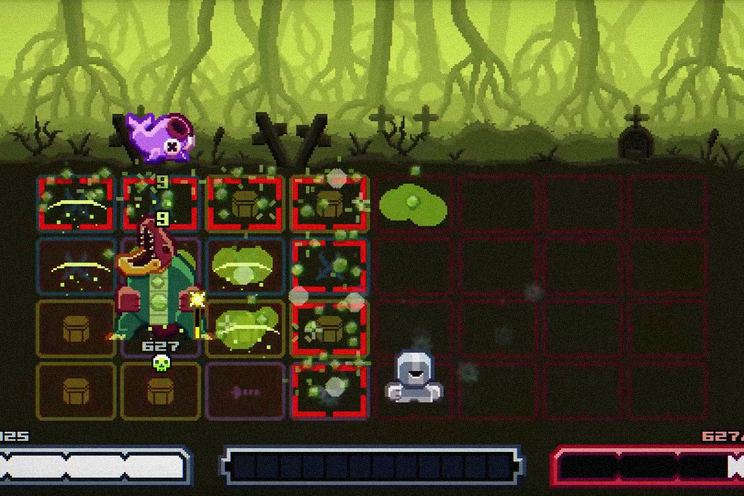
However, I have to say that outside of this detail, the game doesn't have anything surprising to show. The same can be said for its music. There isn't a single memorable tune, nor any sound design that goes beyond the bare minimum required for a game to function.
2/5.
Technical Performance and Optimization
Personally, I think it's important for video games to be as accessible as possible across as many devices as possible. That's why Chivalware is the kind of game we like at Pixel Press, as it is lightweight—the demo is no larger than 400 MB. And it can run on almost any device.
Likewise, it has display options for 16:9 and 16:10. The only thing missing to make it perfect would be a 4:3 aspect ratio, which would fit the game's aesthetic while rounding out a fully accessible experience.
And at least during my playthrough, I didn't encounter any bugs, visual glitches, or anything of the sort.
Rating
5/5.
Pros
- Great gameplay design.
- Replayable.
- Scaling difficulty based on various gameplay factors rather than just enemy health and damage.
Cons
- Outdated progression.
- Unmemorable art design.
3 / 5 – Very Good in Its Genre
As a fan of roguelikes, Chivalware is an essential addition to your library, despite its modest visuals and audio. It is a game capable of flawlessly combining deckbuilding elements with action roguelike gameplay.